
The Complete Guide to Picture Framing Glass: Choosing the Right Option for Your Art
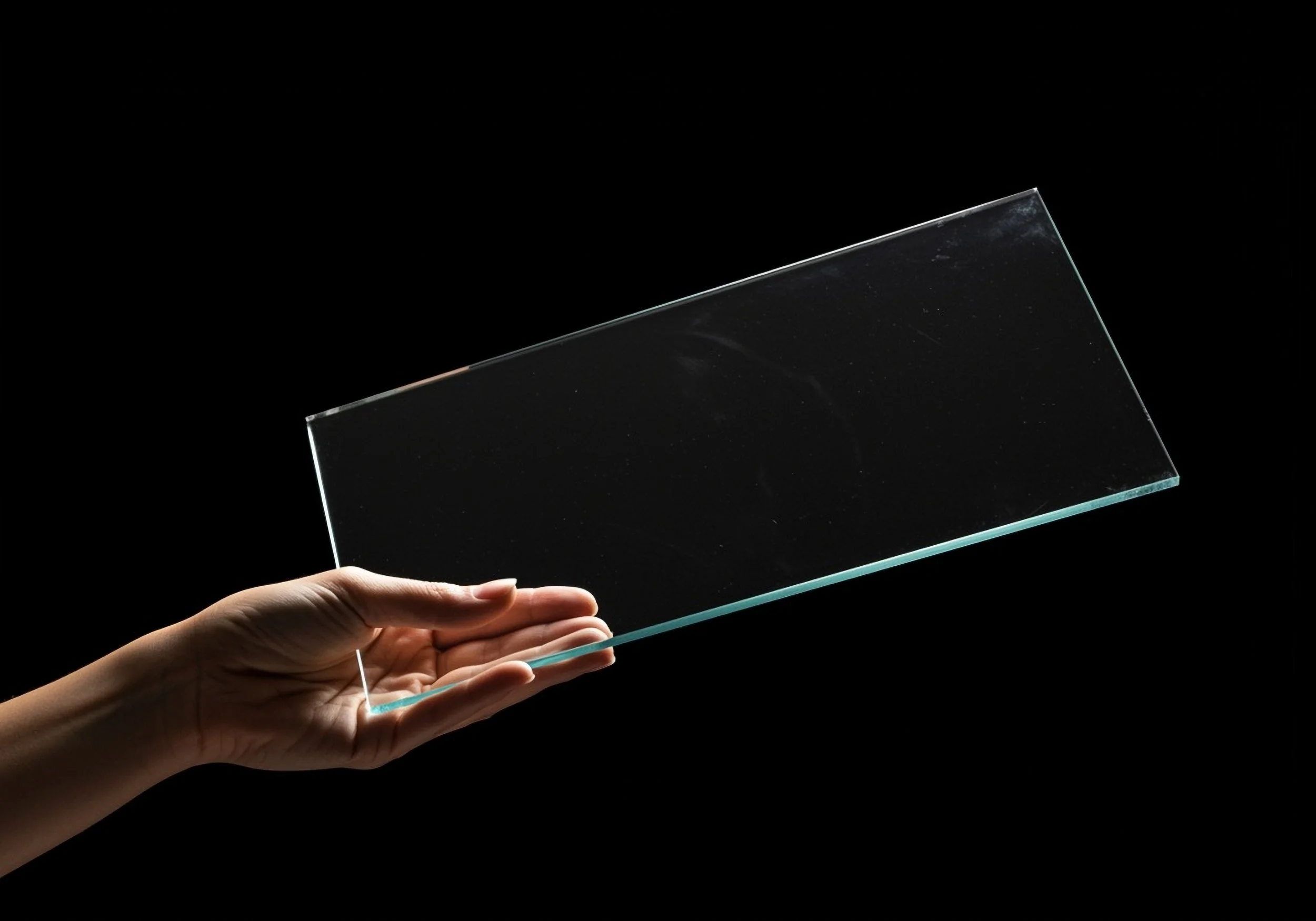
The Complete Guide to Picture Framing Glass: Choosing the Right Option for Your Art
When it comes to custom framing, most people focus on the frame itself — the style, the finish, the color. But the glass you choose is just as important. The right glazing protects your artwork for decades. The wrong choice can cause fading, glare, or damage you can't undo. Whether you're framing a beloved family photo, an original painting, or a valuable piece of art, here's everything you need to know about picture framing glass options.
Why Framing Glass Matters
Glass does more than cover your artwork — it acts as the first line of defense against the two biggest enemies of framed pieces: UV light and humidity. Over time, UV exposure causes colors to fade and paper to yellow. The right glazing can block up to 99% of harmful UV rays, preserving your art for generations.
Beyond protection, glass affects how your piece looks on the wall. Glare, reflection, and clarity all depend on the type of glazing you select.
The Main Types of Framing Glass
1. Regular Glass
Regular glass is the most affordable option and works well for everyday framing needs. It provides basic protection from dust and handling but offers no UV protection and can produce noticeable glare in bright rooms.
Pros: Low cost, widely available
Cons: No UV protection, high glare, can obscure artwork in bright lighting
2. Non-Glare Glass (UV70)
Non-glare glass is etched on one surface to diffuse light and reduce reflections. It's a popular choice for living rooms and offices where windows or overhead lights would otherwise cause distracting reflections.
Important note: Non-glare glass can slightly soften the appearance of artwork, especially if there's a gap between the glass and the piece. For best results, it should be used in close contact with the artwork.
Pros: Reduces glare, affordable upgrade from clear glass
Cons: Can reduce sharpness and contrast, still provides little UV protection
3. UV-Protective Glass (Conservation Clear)
UV-protective glass looks like standard clear glass but includes a coating that blocks 45–99% of ultraviolet rays (depending on the grade). This is one of the best investments you can make for artwork you care about.
If you're framing a family photo, a signed print, or any piece with sentimental or monetary value, UV glass is strongly recommended.
Pros: Significantly slows fading, preserves color and paper integrity
Cons: More expensive than regular glass, standard grades still produce some glare
4. Conservation (Museum) Glass
Conservation glass combines the best of both worlds: 99% UV protection and an anti-reflective coating that makes the glass nearly invisible. When you look through museum glass, it's as if there's nothing between you and the artwork.
This is the gold standard in the framing industry, used by galleries and museums around the world. If you have a piece you truly treasure, conservation glass is worth every penny.
Pros: Maximum UV protection, virtually eliminates glare, exceptional clarity
Cons: Premium price point, requires careful handling
5. Acrylic (Plexiglass) Glazing
Acrylic glazing is a lightweight, shatter-resistant alternative to glass. It's an excellent choice for oversized frames (where standard glass becomes very heavy), pieces that will be shipped, or any situation where safety is a concern.
High-quality acrylic options include UV protection and anti-reflective coatings comparable to glass alternatives. However, acrylic scratches more easily than glass and can build up static, which can attract dust — and potentially damage delicate works on paper.
Pros: Lightweight, shatter-resistant, available with UV and AR coatings
Cons: Scratches easily, static buildup, not ideal for pastels or charcoal
A Word on Matting and Glass
The type of mat you use also interacts with your glass choice. A mat creates space between the glass and the artwork, which is especially important for photos and works on paper — direct contact with glass can cause moisture damage over time. If you're using non-glare glass, a mat also helps preserve clarity by keeping the glass from touching the surface.
Come In and See the Difference
The best way to understand the difference between glass options is to see them side by side in person. Stop by our shop and we'll walk you through each option with real examples — because seeing museum glass in action is worth more than any description we can give.
We carry a full range of glazing options for every budget and every piece. Our framers are happy to help you find the right solution for whatever you're framing.