
Why Cheap Frames Can Damage Your Artwork (And What to Use Instead)
You finally found the perfect print. You've been eyeing it for months, and now it's hanging on your wall, tucked into a bargain frame from the discount bin. It looks fine... for now. But here's the thing: that cheap frame might be quietly ruining your artwork.
What’s happening with ‘Low Cost’ frames?
1. Acidic Materials That Yellow and Eat Away at Your Art
One of the biggest culprits in cheap frames is acid. Most budget frames use low-quality backing boards and mats made from wood pulp that's packed with naturally occurring acids. Over time, those acids migrate directly into your artwork, causing:
Yellowing and discoloration — that warm, creamy tint that looks "vintage" is often just acid damage
Brittleness — paper and canvas become fragile and prone to cracking
Foxing — those mysterious brown spots you sometimes see on old prints? Acid damage.
This process is called acidic off-gassing, and it doesn't take decades to show up. Depending on humidity and temperature in your home, you might start seeing changes in just a few years.
The fix: Work with custom framers who use acid-free or archival-quality backing and matting. It's a small upgrade that makes a massive difference in longevity.
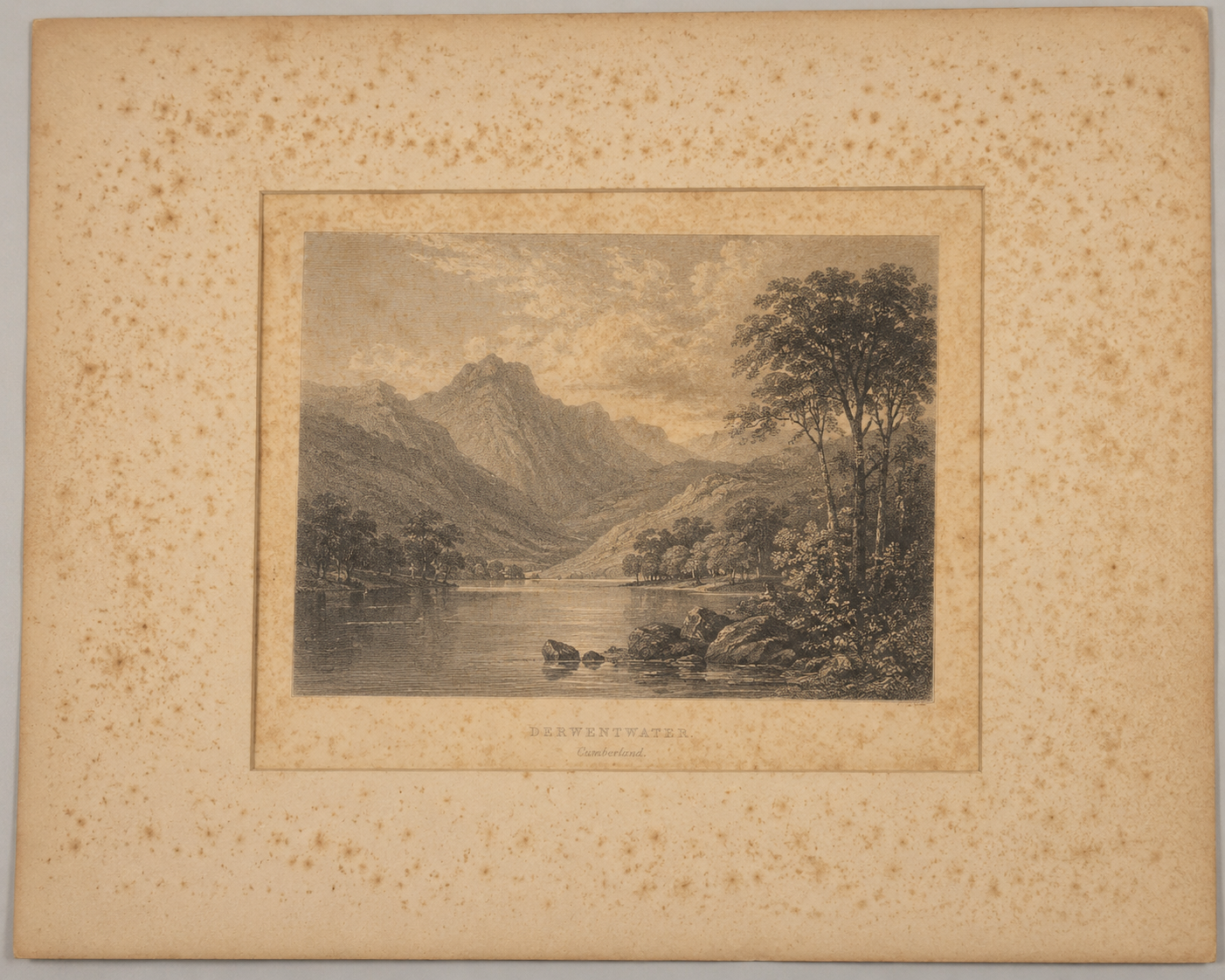
Foxing on an antique print
2. UV Light Is Sneaky — And Cheap Glass Doesn't Block It
You might think your artwork is safe indoors, away from direct sunlight. But UV rays bounce around in ways we don't always notice — through windows, off reflective surfaces, even from some indoor lighting.
Standard glass (the kind used in most cheap frames) offers zero UV protection. Over time, UV exposure causes:
Colors to fade, especially in photographs, prints, and watercolors
Inks to break down unevenly, leaving blotchy or washed-out patches
Paper to weaken and become brittle
The fix: Upgrade your glass to UV-protective glass or acrylic glazing. Conservation-quality options block up to 99% of UV rays (and sometimes offer a reflection-free finish). It's the same technology used in professional galleries. It's more affordable than you'd think, and worth the extra cost to protect pieces you love.
3. Poor Sealing Lets Moisture and Dust Inside
Cheap frames are often poorly constructed, with gaps at the corners and loose-fitting backs. Those gaps are an open invitation for:
Humidity and moisture — which causes paper to warp, ripple, and buckle
Mold and mildew — especially in rooms like bathrooms or kitchens with higher moisture levels
Dust and insects — yes, certain insects are attracted to the organic materials in paper and canvas
You'd be surprised how much damage a tiny gap in a frame's backing can cause over time. Moisture is particularly sneaky — even in a "normal" home environment, seasonal humidity changes can cause noticeable warping if the frame isn't sealed well.
The fix: A professional custom framer will make sure your frame has a tight, well-sealed backing for extra protection.
4. Warping Frames Put Physical Stress on Your Artwork
Have you ever taken apart a cheap frame only to find the backing bowed or the frame itself slightly twisted? That's not just cosmetic. A warped frame exerts uneven pressure on your artwork, which can cause:
Creasing and buckling in paper-based pieces
Canvas stress that leads to cracking paint over time
Uneven contact with glass, which traps moisture and creates conditions for mold
Budget frames are often made from low-grade wood composites or thin plastic that simply isn't rigid enough to maintain its shape — especially in changing temperatures.
The fix: Look for frames made from solid wood or heavy-duty aluminum, which hold their shape far better over time.
5. Artwork Touching the Glass — A Recipe for Disaster
In many cheap frames, there's no mat or spacer between the artwork and the glass. This seems harmless, but it can actually cause problems later on. When artwork sits directly against glass:
Moisture condenses on the back of the glass and transfers directly to your piece
Photographs and prints can literally stick to the glass over time, making them impossible to remove without damage
Mold can grow in that trapped, humid microenvironment
The fix: Work with a framer to ensure the piece is properly fitted with mat or spacer to create a gap between your artwork and the glass. Even a thin spacer makes a significant difference.
The Bottom Line
We get it; quality frames can feel like an unnecessary splurge, especially when you're already spending money on the art itself. We often hear, “The framing costs more than the art!” But think of framing as part of the investment. A great piece of art deserves to be protected, not just displayed.
You don't have to spend a fortune to frame things properly. Mid-range frames from reputable framers, or even well-made off-the-shelf options, can hit all the marks above without breaking the bank. The key is working with a trusted, trained framer to look for the correct options.
Your art tells a story. Make sure it's around long enough to keep telling it.
Have questions about framing your artwork the right way? We'd love to help… drop us a message or stop by Artful Gallery and Framing for a FREE consultation today!